
19 Lies You’ve Been Told About Holiday Displays

It is no secret that the print industry is vast and extremely unique. We have been in the business for 85 years and we are still learning!

While not always intentionally misleading, you’re often absorbing content from:

Printers who have limited capability: Most printers don’t have screen and digital printing capabilities which can lead to biases.
Marketers without much print experience: Marketers wear multiple hats and juggle numerous projects at once; it would be unreasonable to rely on them to know everything!
Non-practitioners: Printers who don’t invest in R&D themselves, but pass along (sometimes outdated) printing insights they’ve read online.
Outdated Information: Technology and capability change every day. Capabilities that weren’t possible yesterday, could be possible today.

After running thousands of holiday display prototypes for brands like Target, Kohls, and other major retailers – here are 19 myths you may have been told about holiday displays.
1. Graphics Have To Be Dimensional To Look 3D

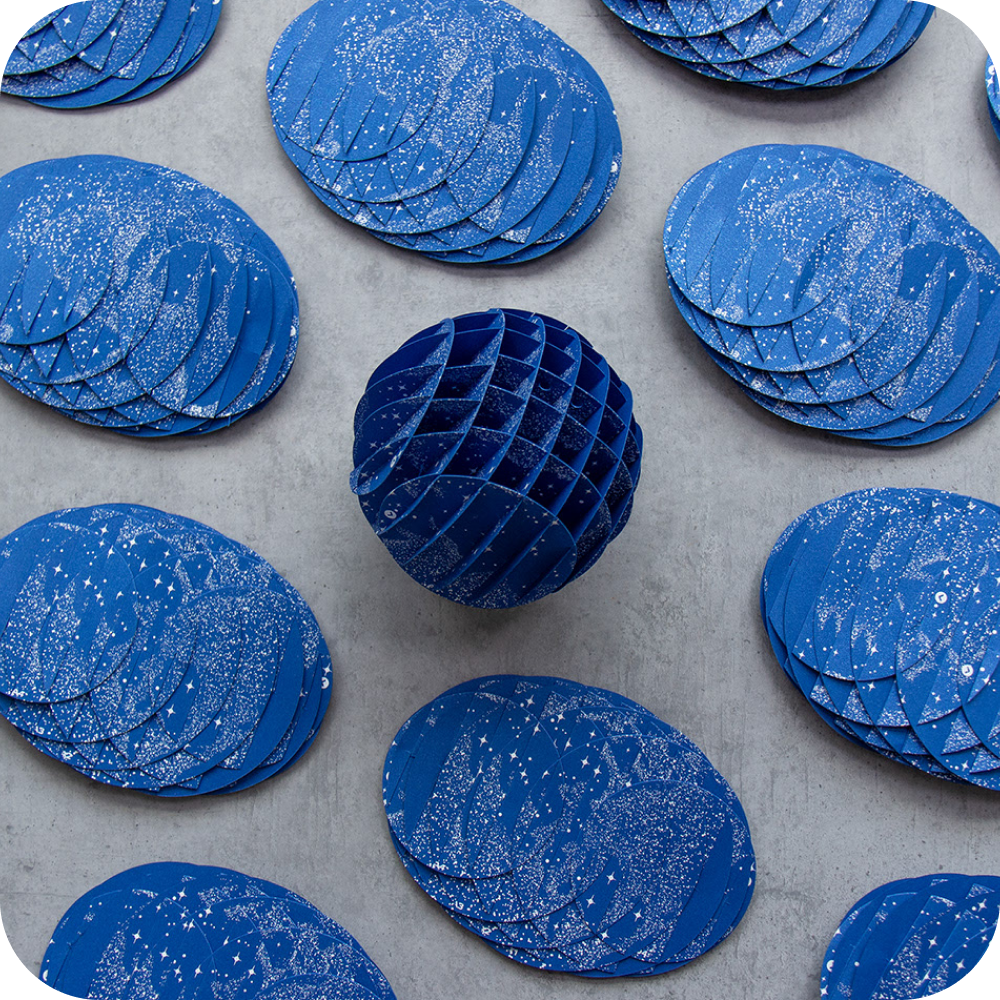
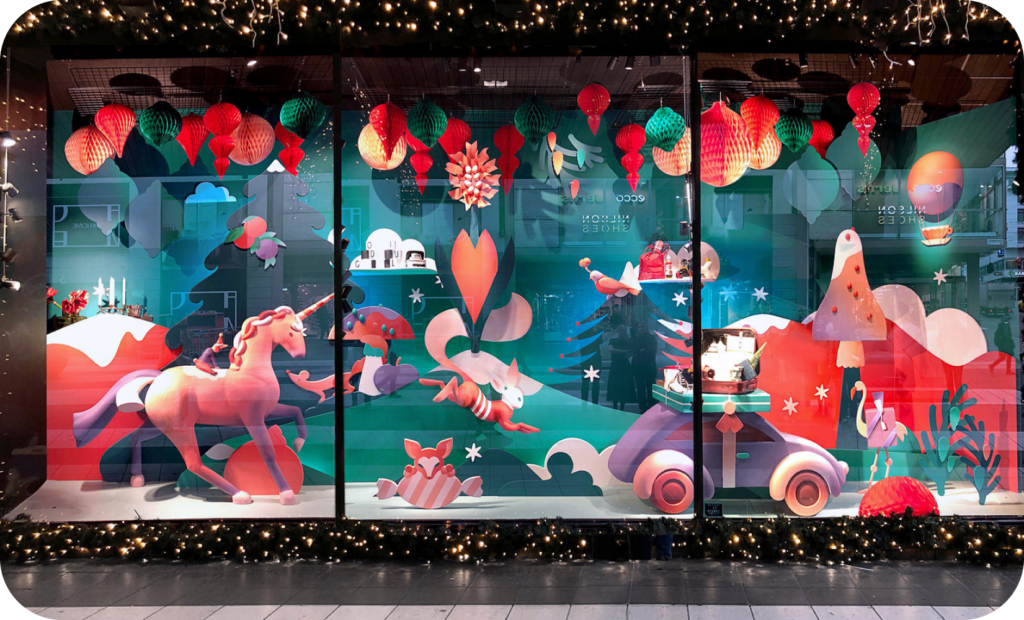
False. You can utilize creative shading or special effects to make 2D parts look 3D! This is a helpful guide to creating the illusion of depth.
2. It Is Expensive To Screen Print Or Do Specialty Effects

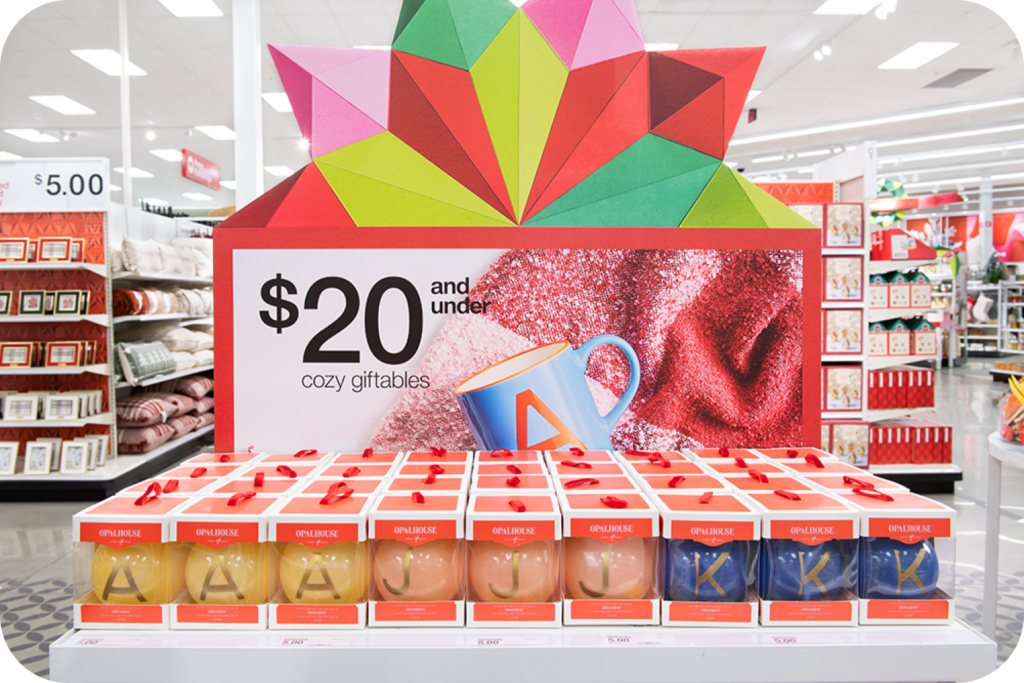
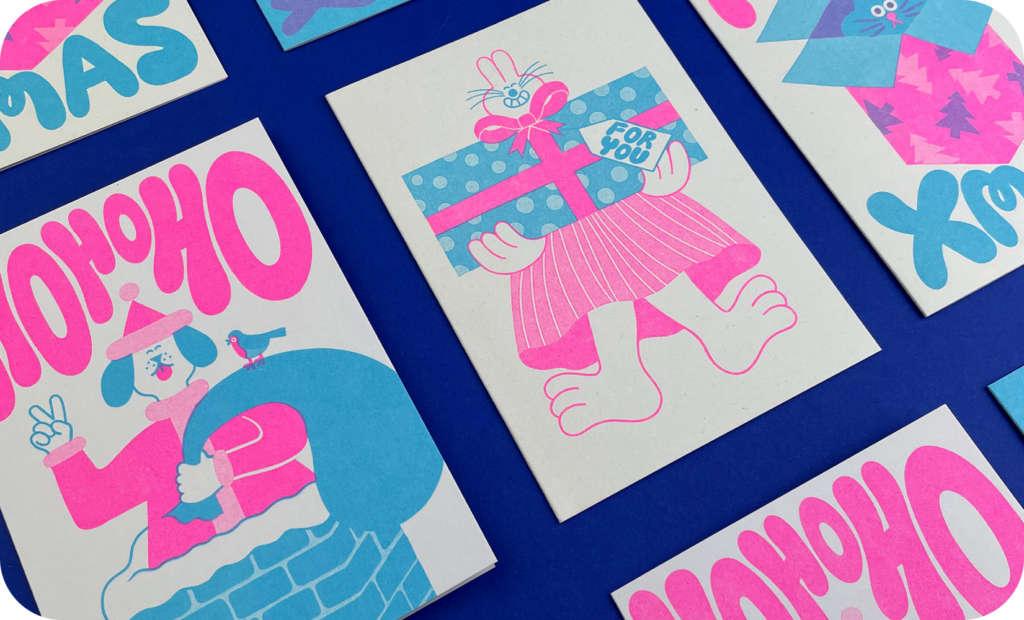
False. Screen printing can be more affordable than digital printing. Plus screen printing gives you special effects capability and expands the color range (if you can see it with your eye – we can color-match it). That is why a quote from Modernistic includes screen printing and digital printing options.
3. You Can’t Print Fragrances or Scents

False. When you incorporate scent into your print media, a heightened emotional engagement occurs. This is proven to increase consumer recall, redemption, sales, and brand value. Read our Beginner’s Guide to Scented Printing to learn more.

4. Holiday Graphics Can’t Be Applied On The Floor

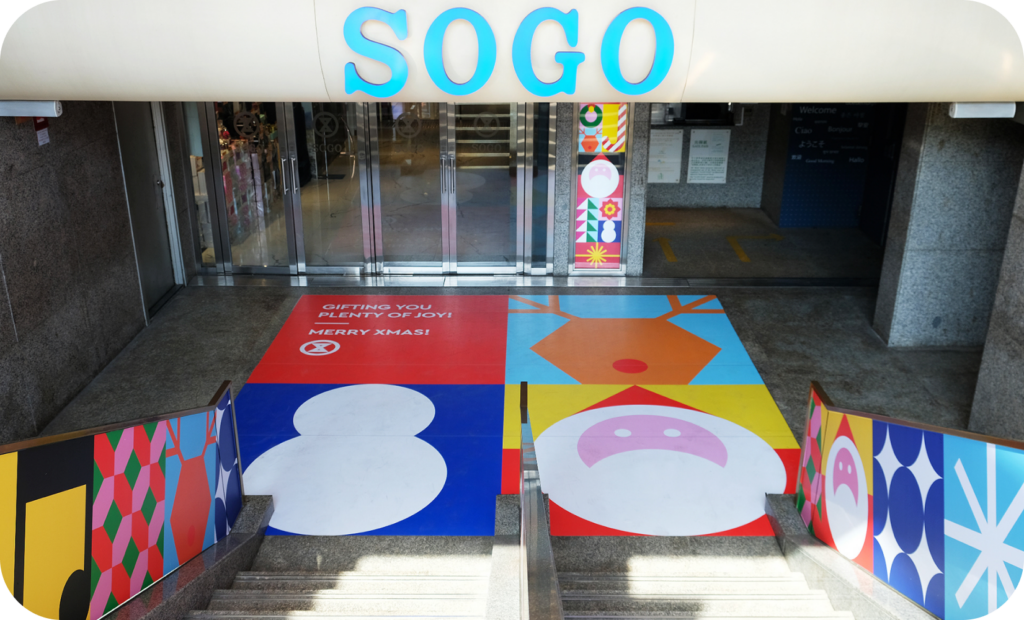
False. We make floor graphics that go indoors, go outdoors, glow in the dark, and even anti-slip graphics!
5. Your Display Needs To Be Printed

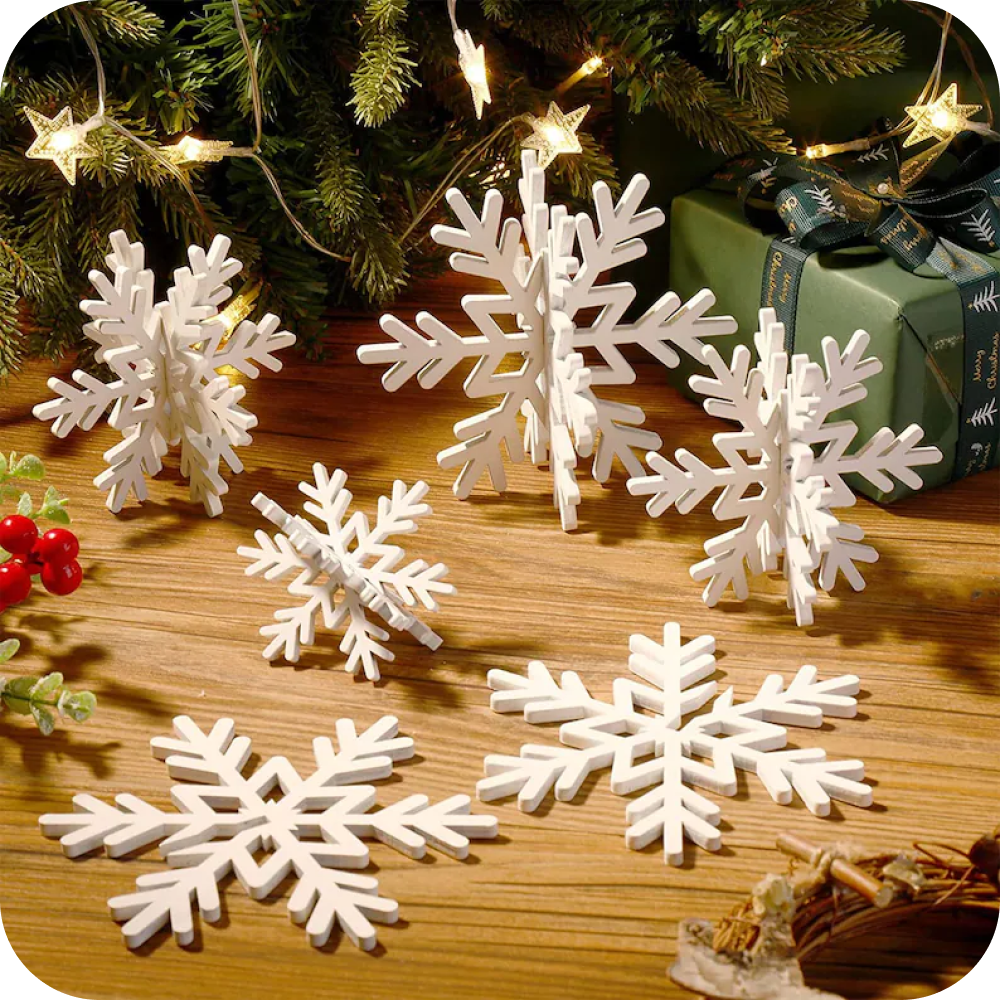
False. If the material comes in the desired color, we can simply diecut the material to the chosen shape! You could also use a laminate or even cut vinyl and apply it to your part instead of printing! Here is a great story of how we were able to create 15,000 dimensional bats with JUST cutting in under 72 hours.
6. Shiny Metallic Prints Are Expensive And Scratch

False. Metallic or chrome prints can be just as durable and affordable as other standard inks and laminates.
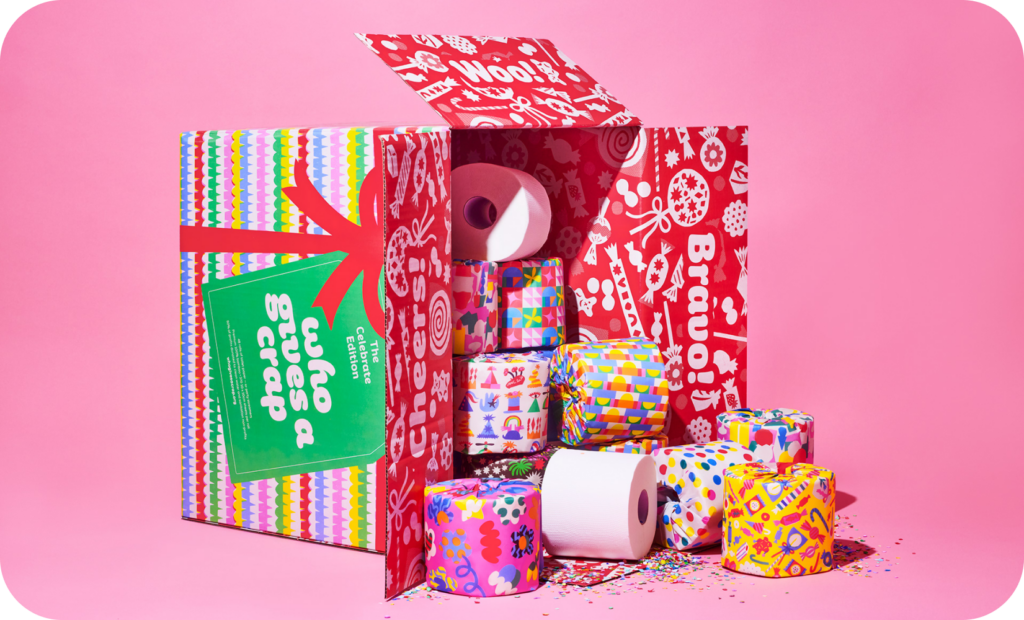
7. A Corrugated Box Can’t Be A Display

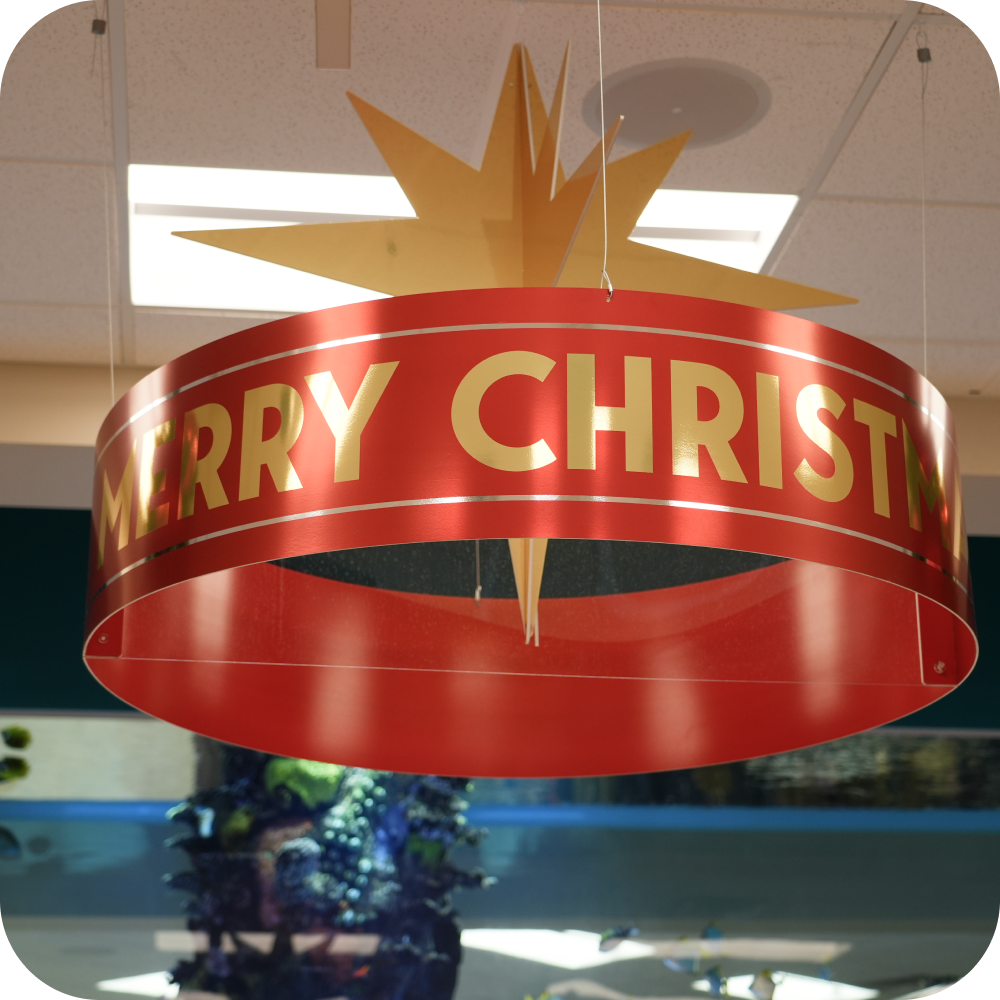
False. With a little creativity, anything is possible.
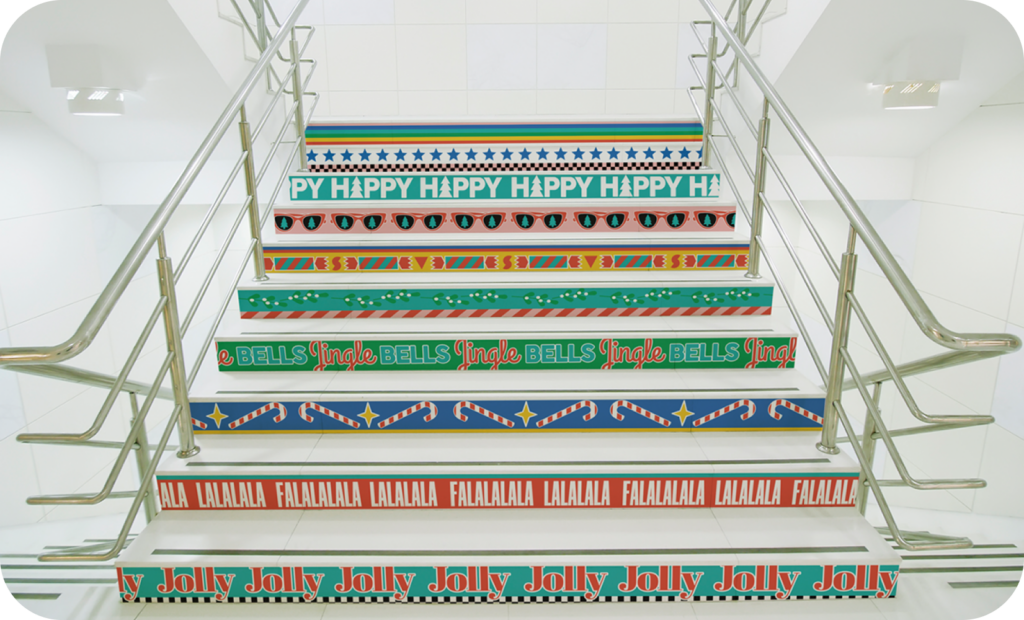
8. Holiday Graphics Can’t Be Applied Onto Stairs

False. We are huge advocates of attention-getting graphics placed nearly anywhere.
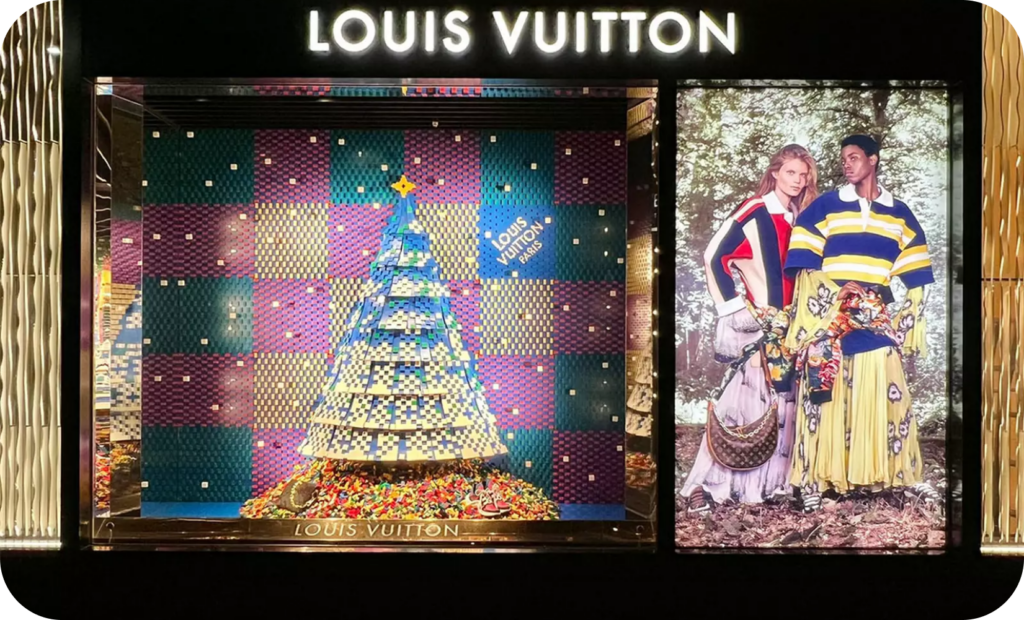
9. Christmas Trees Can’t Be Printed

False. It’s 1,000 times false. Printed Christmas trees are the best! Granted, we are a bit biased.
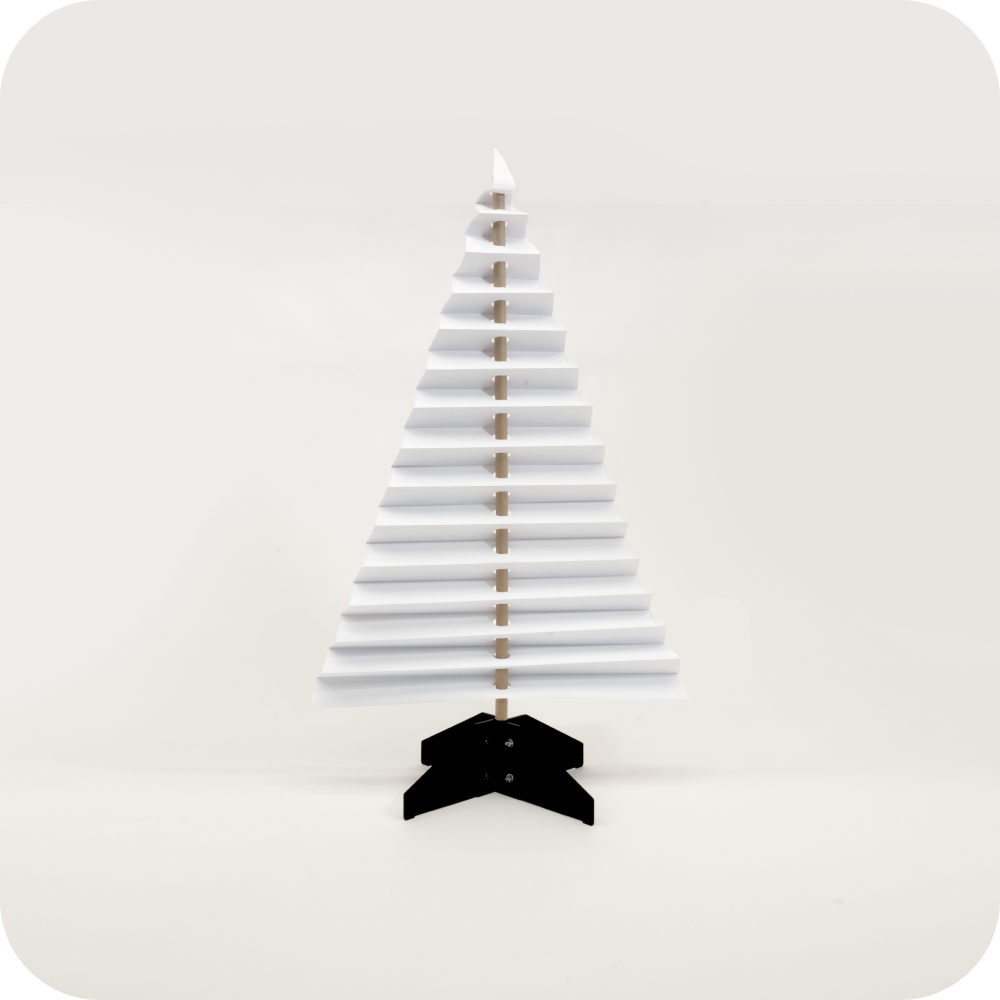
10. Christmas Trees Aren’t Able To Ship Flat

False. We design every holiday-themed display (including Christmas trees) to ship efficiently. Want more info – read our 3 tips cut down shipping time/cost.
11. There Are A Limited Amount of Christmas Tree Shapes

False. We have printed, fabricated, or cut out hundreds of different shapes and sizes of Christmas trees. Literally, the possibility for shape, dimension, material, and size are endless. For example, here are 400,000+ different shapes from Shutterstock.
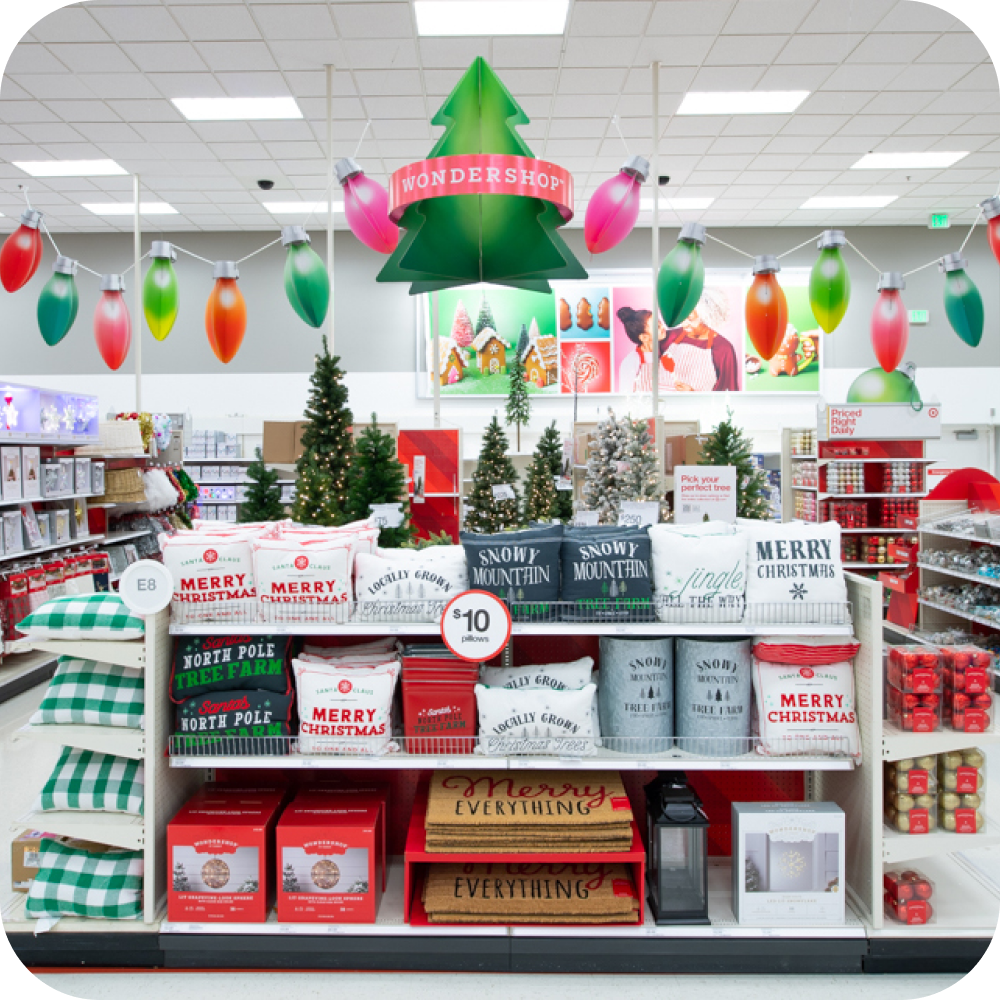
12. Your Holiday Display Needs To Use Traditional Colors

False. According to a PR NewsWire study, Only 47% of consumers chose to decorate with styles considered traditional.
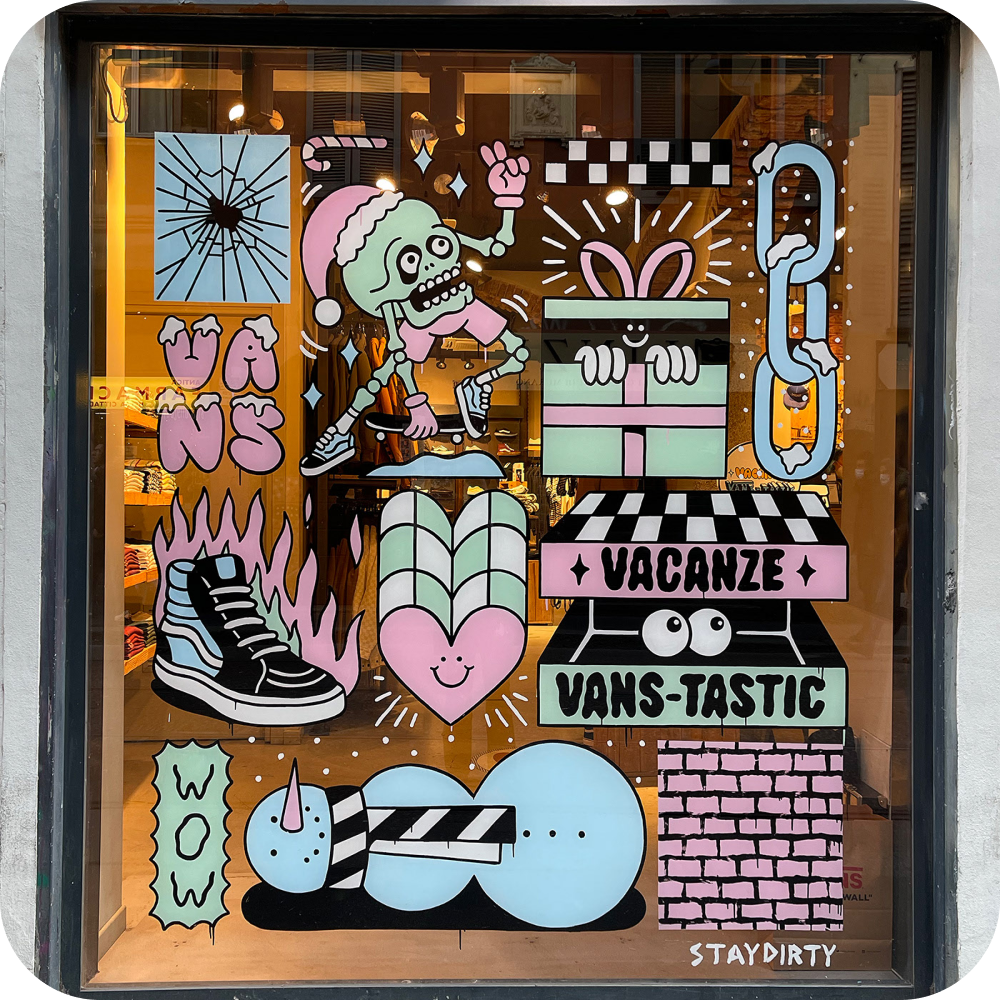
13. It Is Impossible To Have Floating Graphics

False. Floating graphics is our passion. We can take your vision and create an easy to install fixture.
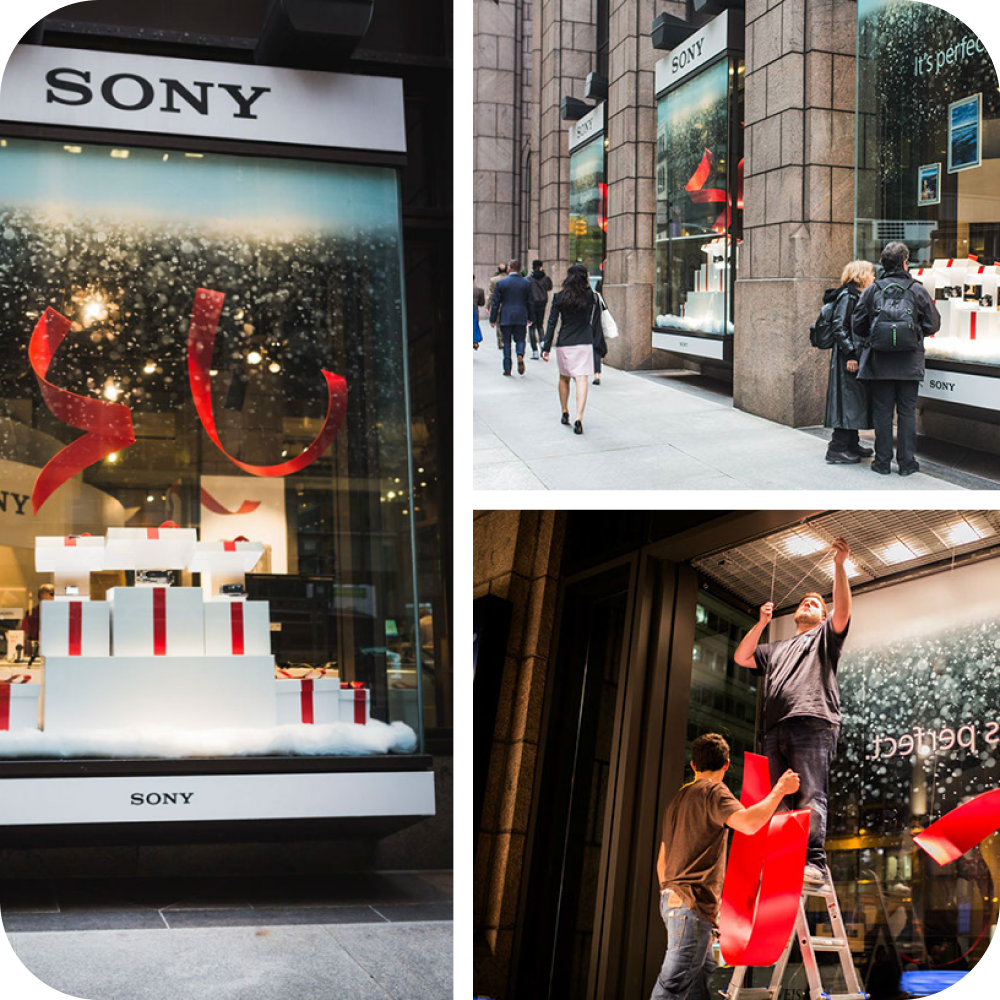
14. You Should Not Add Light To Basic Substrates

False. Common substrates (FalconBoard, Sintra, PETG, etc.) can be backlit and look just as cool as fabric and acrylic!
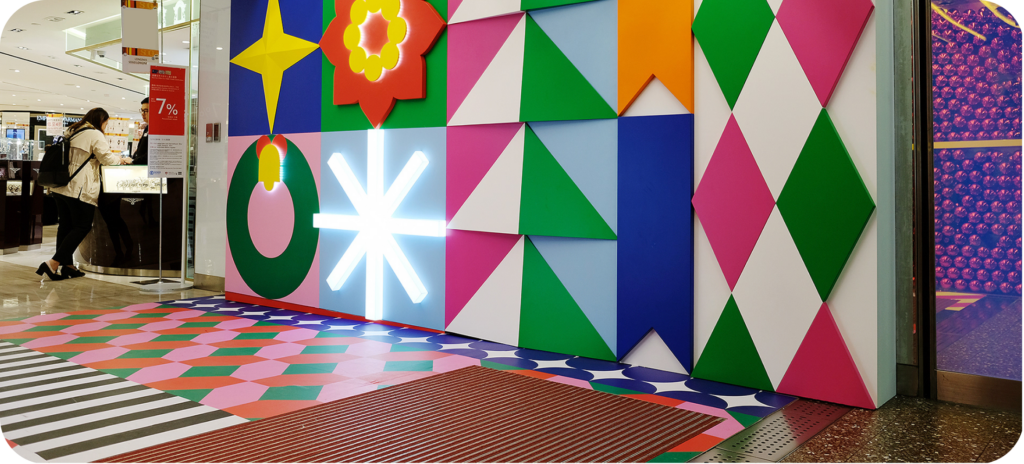
15. You Must Choose Between Dimensional Graphics Or Shipping Flat

False. It’s all in the initial design/construction – our specialty!
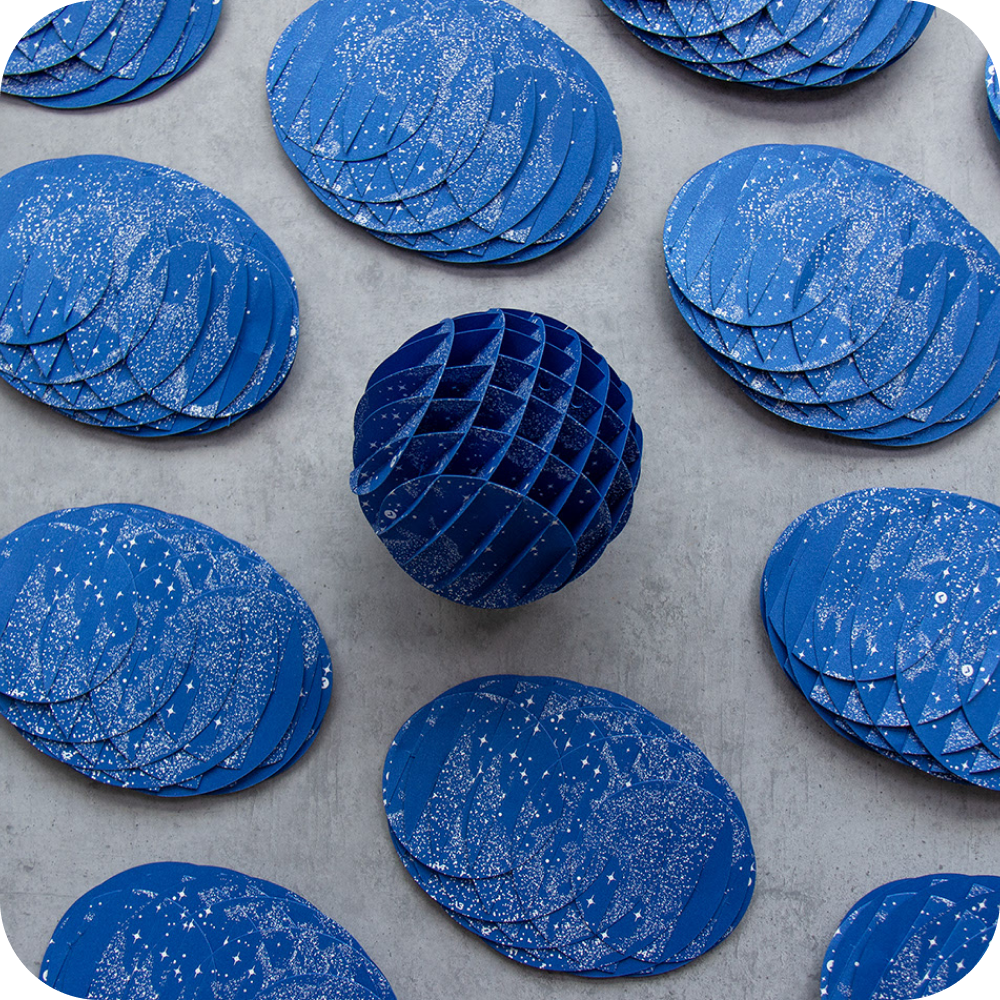
16. Don’t Get Too Abstract With Your Holiday Display

False. Sometimes abstract is just what you need to stick inside the buyer’s mind!
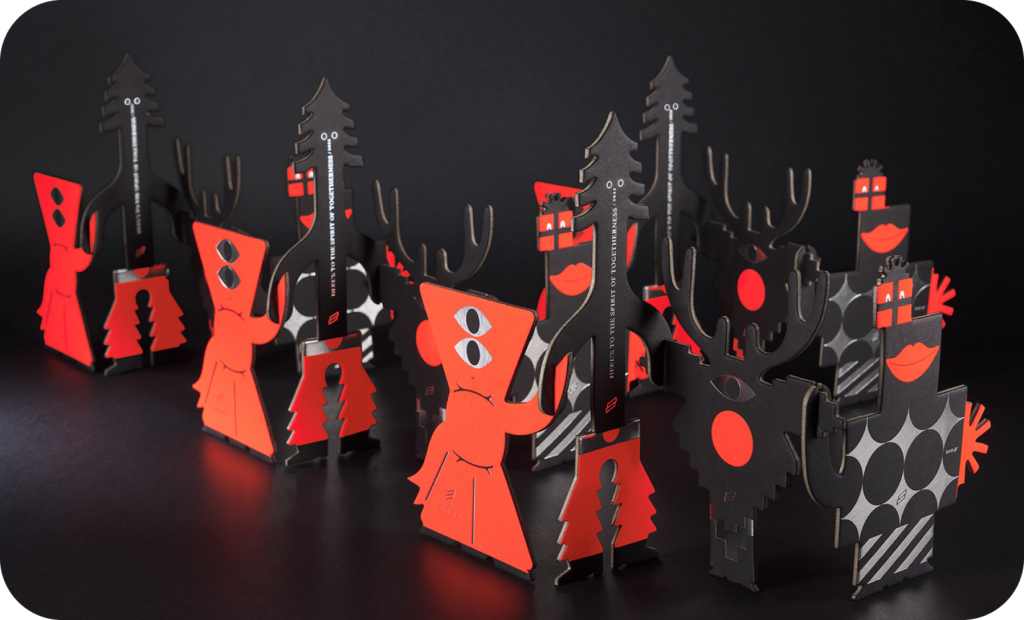
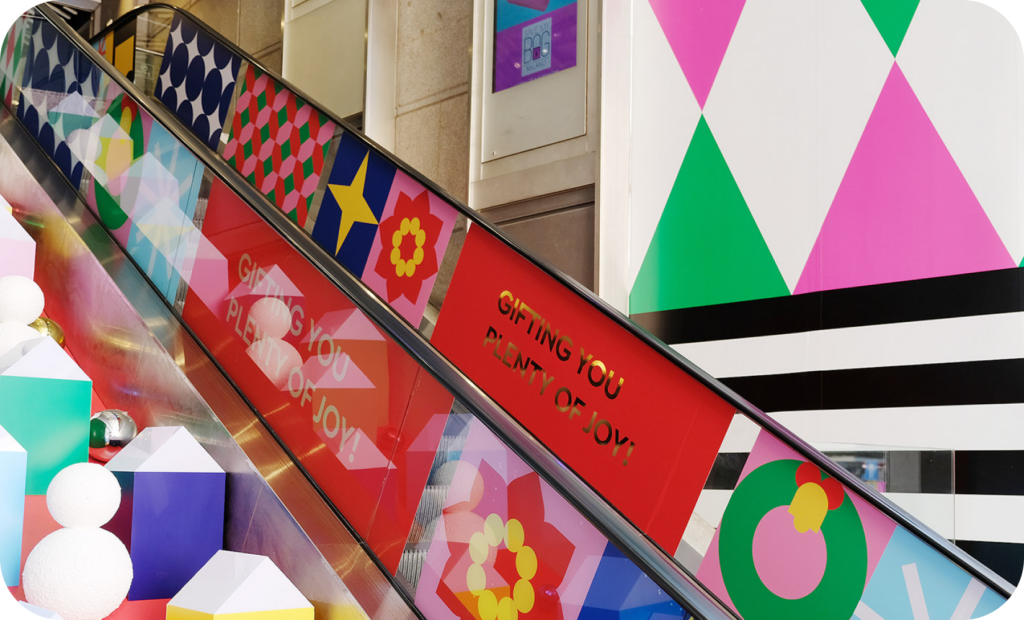
17. You Can’t Put Holiday Graphics Onto An Escalator

False. Are you getting the theme yet? We think graphics can go anywhere!
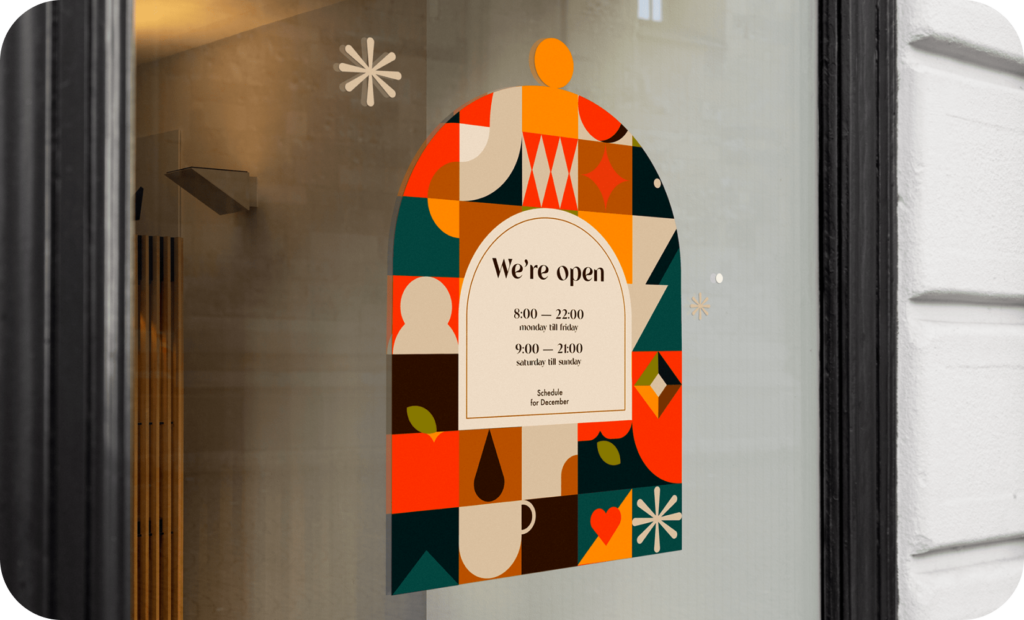
18. Holiday Store Hour Clings Should Be Simple

False. Add some Christmas pizazz with our quick turnaround window clings and window graphics.
19. It’s Difficult To Find A Supplier That Can Do Special Effects

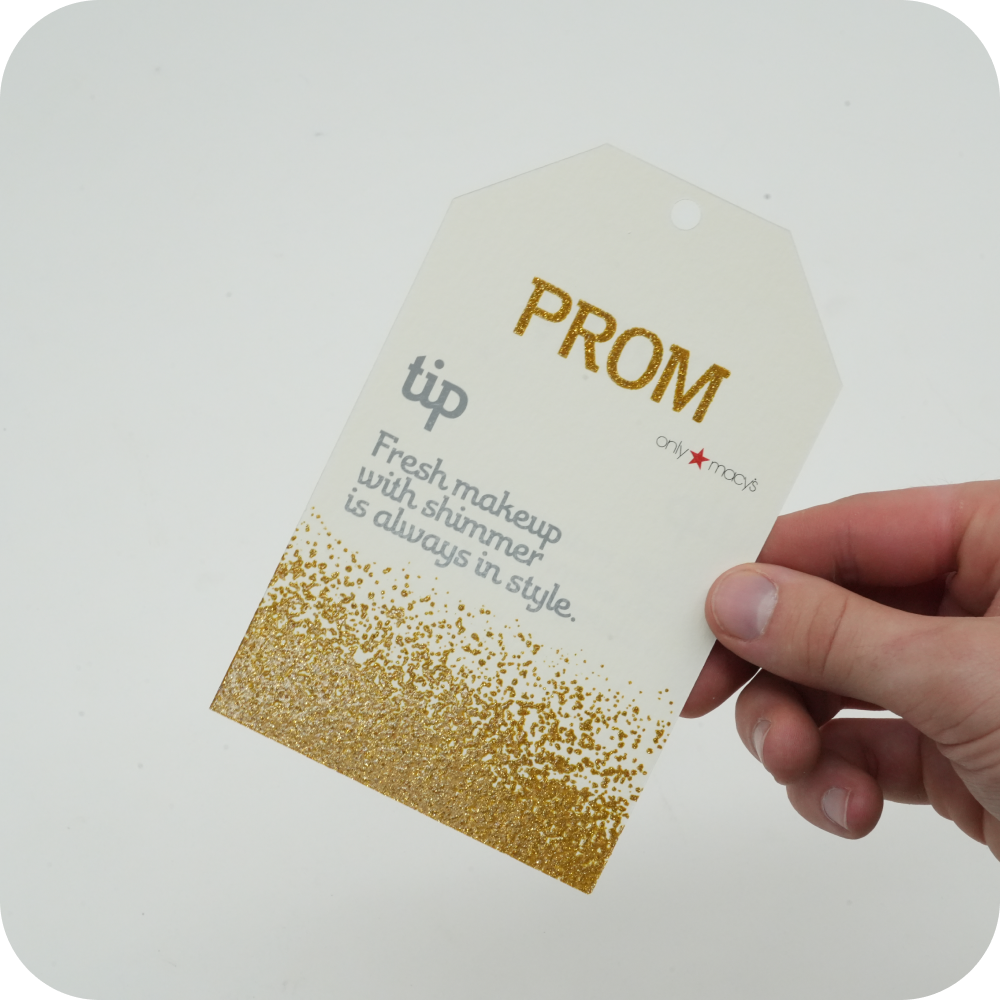
False. As one of the largest screen printers in the country, we take pride in our special effects printing. From distinctive textures and unusual substrates, to fragrance and metallic colors – we do it all! Here are some of the special effects we offer.
Grow your company’s revenue while personally enhancing your career! Visual communication is awesome, but it takes more than good artwork or a well-structured design to entice a consumer to buy a product. It’s a balanced recipe of great design, affordable manufacturing cost, clever placement and judicious use of resources. We are here to help!
What is Die Cutting?

Cutting techniques can make or break a project budget. That is why it is important to learn when to use the right machine for the job. Otherwise, you could be losing unnecessary money. We will look at what die cutting is and when you should use it!

Simple Answer:

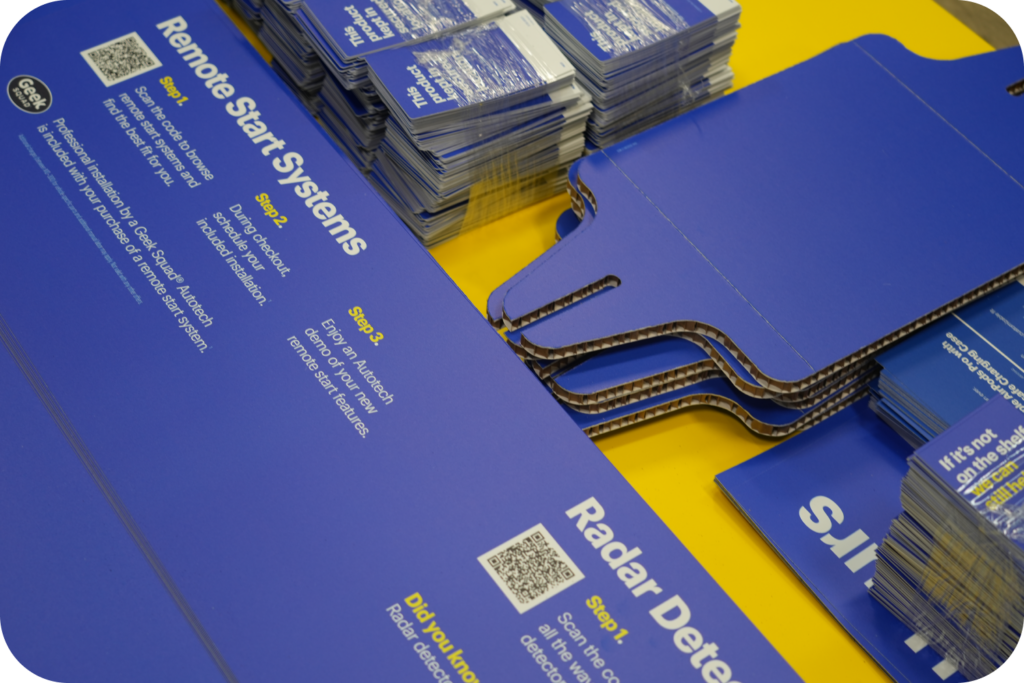
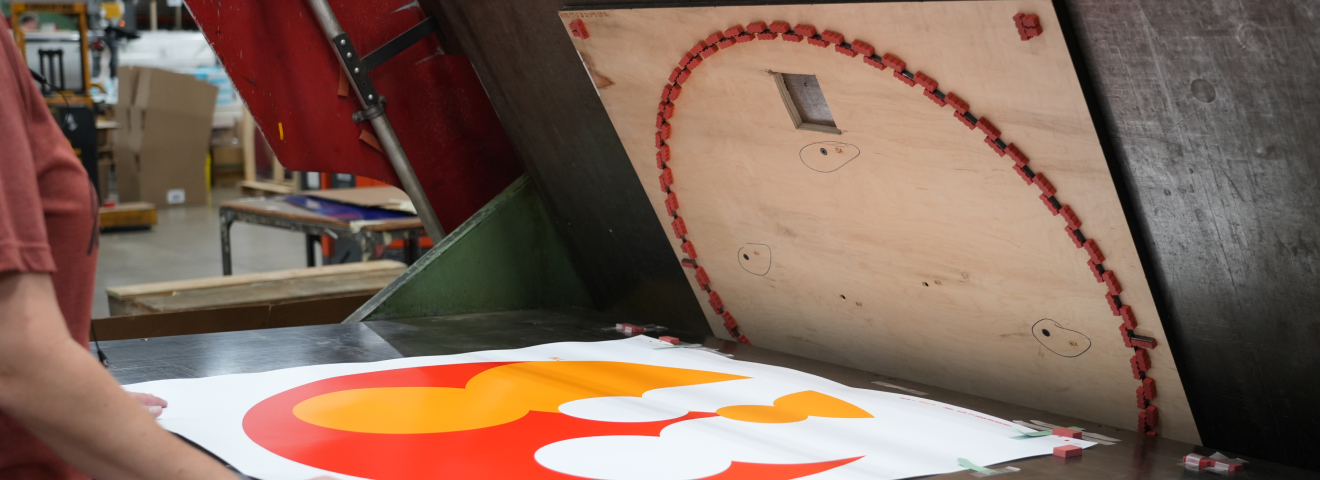
In its simplest form, die cutting is essentially just a large cookie cutter for your design. It’s meant to pump out parts fast and precisely. Similar to screen printing, the setup for die-cutting takes longer but is faster on the production end. Its sweet spot is large quantities with substrates less than .5” thick. If you have a thicker substrate or smaller quantities that’s okay! There are plenty of other cutting options and we have even die-cut foam up to 3” thick! That is why it’s important to have a printer with the knowledge and alternate cutting capabilities in-house.

A die-cutting project has 3 elements.

1. The Die Line

The die line is essentially the guide for us to make the cuts or creases. These die lines can be very tricky to read, but it is imperative that they are correct.

2. The Cutting Die / The Die

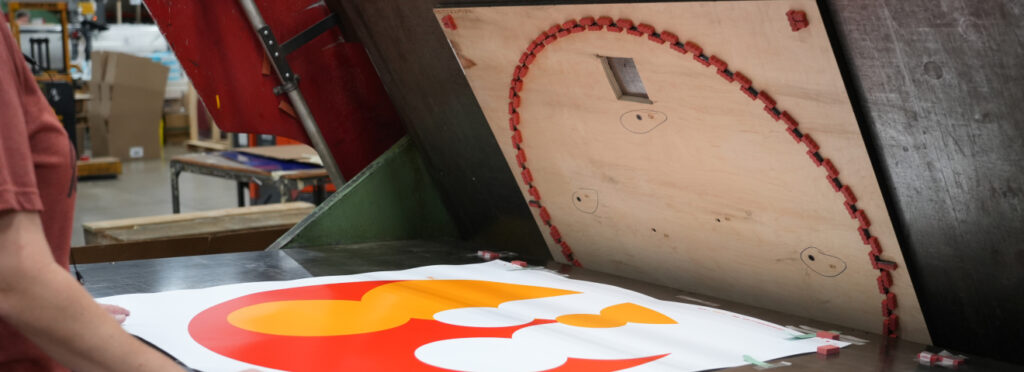
A die can either be curved or flat. We typically used a curved die (aka a rotary die) when the parts are small and there is a dramatically higher volume (think sticker size). Every cutting die has a base with blades sticking out of it. Some of those blades are sharper to cut straight through and some are duller to score the material in case you need it to fold or bend. The rubber pieces are to help the blades cut evenly.

3. Die-Cutting Machine

There are 3 major die-cutting machines: roll fed die-cutting, sheet fed die-cutting, and rotary die-cutting. Typically, a die-cutting machine is 4 feet wide so you would want the dimensions of the die-cut part to be less than 22” x 32”. We don’t believe in being held back and that is why we have some of the largest format die-cutting machines in the US.

The more you are under budget, the more revenue you produce. It is important that you are using the most efficient method based on your project specs and not constrained by machine capabilities. Otherwise, it can limit your budget and weigh down your bottom line. Shameless plug: If you want to know if your project is as efficient as it could be, we would be happy to give you a 2nd opinion! Our scope of equipment ensures that you are using the best method for your project.

Top 3 Ways to Cut Down Shipping Costs on Your Print/Converting Project

At Modernistic, we often get asked by our customers “how are you able to cut our shipping times down by so much?” That is why I want to go over the top 3 ways you can cut down shipping costs on your print/converting project. This is more important than ever now as the supply chain gets more bottlenecked and more unreliable. Let’s jump right into it.

1. Design

The first way is also the first step in the process. Design! We design our products to ship efficiently, that way you start with a healthy foundation right from the start. Just like in a house, if you start with a healthy foundation the rest will be set up for success. A lot of shipping costs can be reduced by engineering the design with shipping in mind.


For example, a large fashion retail brand came to us with this huge fixed-box display. The first thing we noticed is that it could be easily redesigned in a couple minutes to be more efficient. This affected how it broke down, was able to ship flat, etc. It cut the shipping cost by 50%, saving thousands of dollars, just through a couple simple steps. *We would love to share a picture of this project but due to proprietary designs and our customer’s wish for privacy, we are unable to share this project.*

2. Efficient Kitting

The second way to reduce shipping costs is efficient kitting. I can’t stress enough how often we see extremely inefficient kitting setups. We always use precise and lean kitting techniques because we know they are proven to help reduce costs.


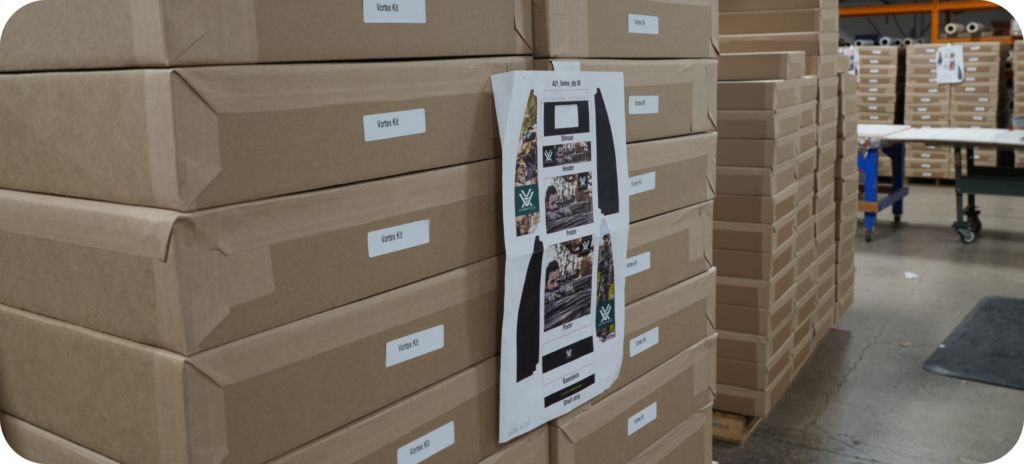
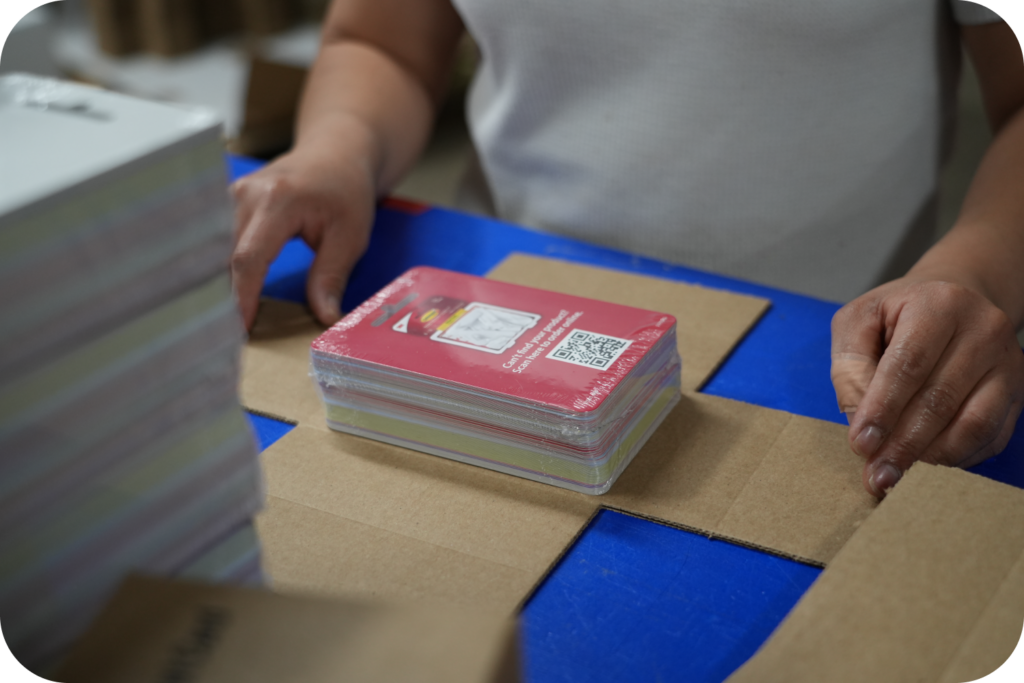
Another example, one of the tools we utilize is a custom box maker. This helps us maximize the purpose of every inch of space in a kit. Whether we are shipping to one location or 1,000 we are able to quickly create custom kits to exact specifications so every inch is utilized. Eliminating any extra space, size, and weight. It also indirectly makes the contents more secure because of
everything more tight.

3. Location, Location, Location!

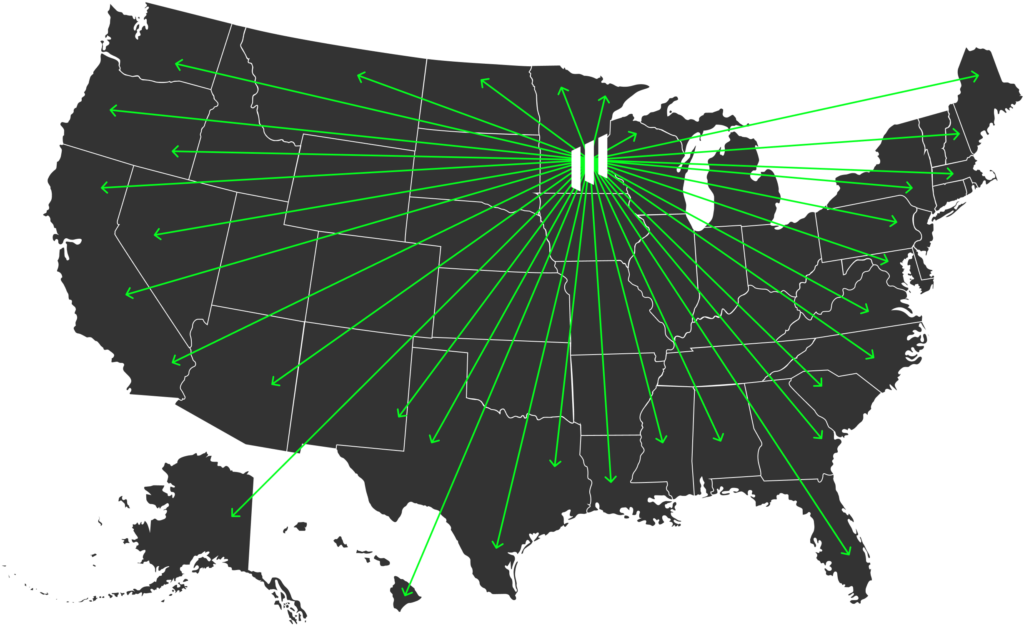
The third way to reduce shipping cost is location. Having a neutral location is extremely helpful in reducing ship time and cost. Our location in the midwest situates us perfectly to keep fast, affordable, and reliable shipping lanes for anywhere in the US. This can make or break a project budget and can’t be overlooked.


These are just a couple examples of how small, efficient steps can affect so much of the overall project cost. It even affects sustainability, you are using less fuel, less box inventory/waste, and less bubble or microfoam. (Side note: if you are still using bubble wrap, you should look into switching to sustainable packaging material). This is just the start of how we are able to reduce cost, minimize waste and maximize value, quality, and speed.


Let us know if you have any questions or want help on your next project by contacting us.